Miracle or Midrange Draven?
Which is best?

By now you have probably heard(and if not watch our Youtube video
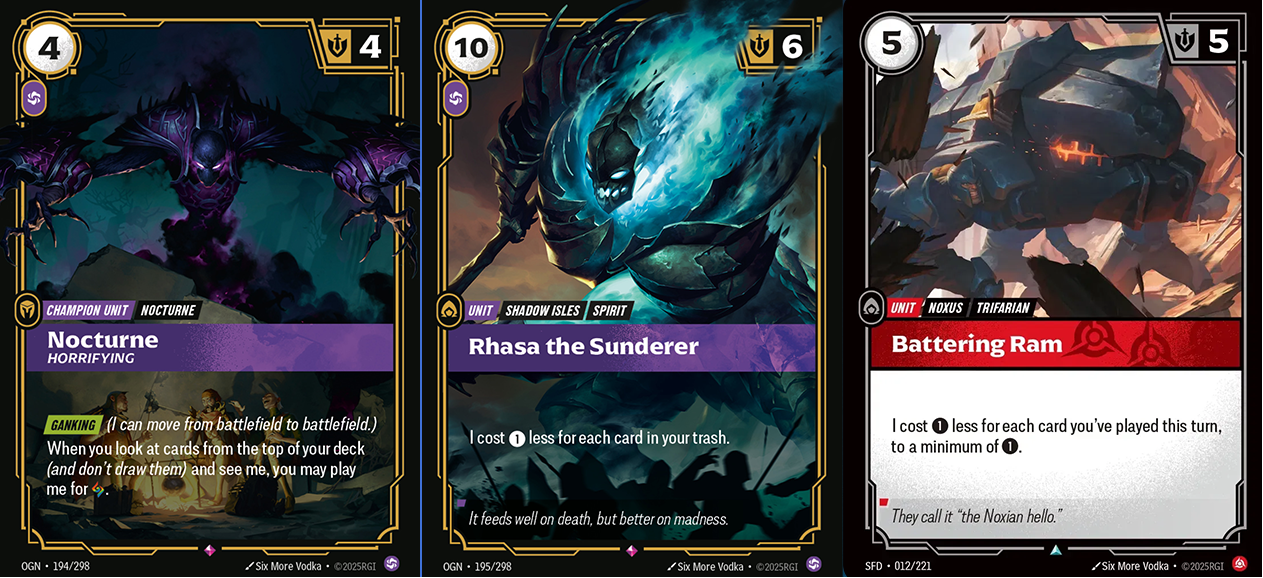
linked above) about the best deck in the meta, Draven, but when we look at results and top cut lists, we see that there are two main variants. Classic Draven is a standard midrange deck looking to play high-quality units and spells and use Draven’s ability to keep drawing cards and maintain hand presence. Then there is Miracle Draven, a deck whose main goal is to draw through a large portion of the deck and storm off by playing multiple large units like Rhasa, Nocturne, and Battering Ram all at once and make battlefields with might totals that are nigh unbreakable. The question is how to decide which to play and why. When we look at the results firsthand, Classic Draven is a bit more represented in top cuts than its Miracle counterpart.
Why Classic Draven?
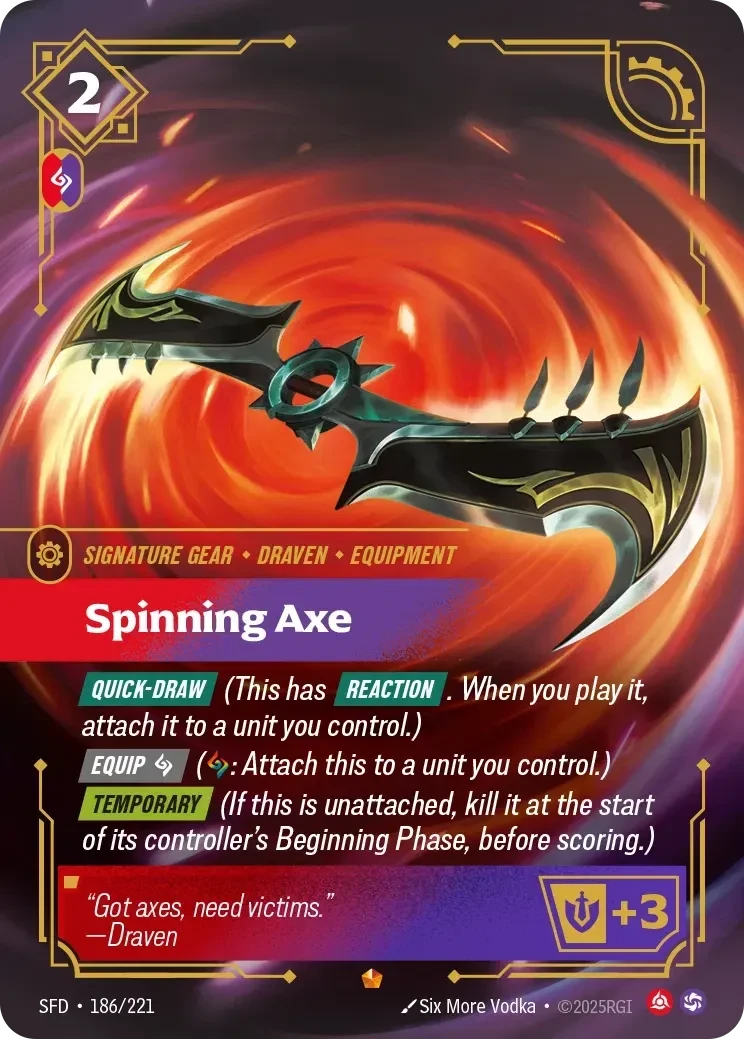
As mentioned above, Classic Draven is typically more represented in top cuts than Miracle Draven, and the reason for it lies in its main upside: consistency. Miracle Draven at its core is a combo deck, and like all combo decks, it has the ability to brick, or rather not function the way it is intended due to poor draws. Classic Draven, on the other hand, is incredibly consistent and typically does the same thing every single game. It uses high-value units to capture battlefields and its powerful spells to negate the opponent’s ability to reclaim these battlefields as well as win combats. Classic Draven operates at a consistent power threshold. To put it in perspective for this article, we will say that Classic Draven operates at a power level of 8/10 consistently.
The pitfalls of Classic Draven:
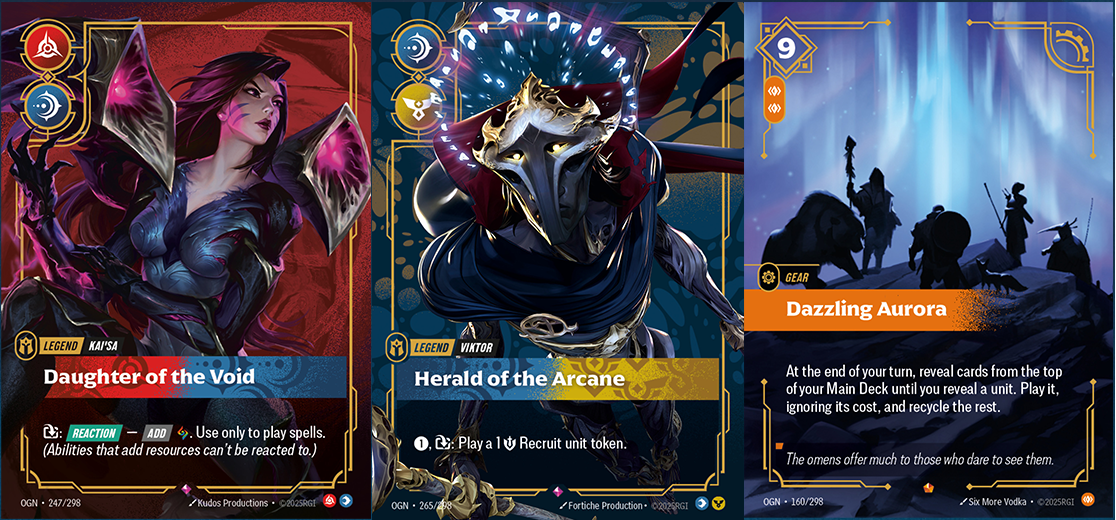
Classic Draven, while not having any truly bad matchups (especially post-board), does have a near-even split of units and non-units and as such can be susceptible to removal-based strategies trying to target it, like Viktor control and Kai’Sa, especially in game one. It is also left vulnerable to Aurora-based strategies, specifically those that have access to Mind Splitter, as you are able to rip away otherwise clean answers to some of your slower, heavier units like Rebuke and Fight or Flight. Ezreal decks made to target this strategy can also wipe out your board with a combination of Watcher and Bellows Breath if given a proper opening. These matchups, however, improve drastically post-board when we have access to more Hard Bargains and Ferrous Forerunners.
Why Miracle Draven?

Miracle Draven is a combo deck that allows you to flood the board with high-might units and make battlefields that are nigh unbreakable for the average deck. Miracle Draven’s strength lies not in its consistency but in its power ceiling. I mentioned above how Classic Draven operates as an 8/10 almost consistently, but Miracle Draven’s ceiling is closer to an 11/10. When this deck does what it was built to do, no deck in the format can stop it. It also has the upside of being much harder to target than Classic Draven, where many of the decks like Viktor control are unable to clear the board efficiently due to the mass amount of high-might units put in play at the same time, and Last Rites being able to constantly recur any of these units multiple times for little to no energy cost. Aurora decks are unable to out-might these decks as Miracle decks actually produce more might and are able to continually recur cheap threats with Last Rites just like they would against any slower deck. Mind Splitter is often ineffective here as by the time it comes down, most of the key cards in the deck (Ezreal/Called Shot) have already been played, leaving only units that can be recurred with Last Rites or spells that can be recurred with Fizz. Miracle also has the upside of being able to play some number of “toolbox” one-of cards as you typically see most of your deck over the course of the game provided your deck is operating efficiently. This enables you to play some number of cards that would otherwise be in the sideboard, like Brynhildr Thundersong or Last Rites, as one-ofs in the main deck.
The pitfalls of Miracle Draven:
While Miracle Draven has the highest ceiling of any viable deck currently, it also has one of the lower floors. When Miracle Draven bricks or does not see its draw cards or combo enablers (Ezreal, Seals, Called Shots) in the early game, it can struggle immensely and operates closer to a 5/10 power level. This is often good enough to beat some of the lesser decks in the format but will put you in a bind versus some of the format’s juggernauts like Irelia and Classic Draven. Miracle Draven also has difficulty at a baseline against Classic Draven. When Miracle sees its full pop-off, it is a bit favored, but on average it’s disadvantaged. This is because on top of Draven operating at the same power level consistently, it also has the tools to slow down Miracle Draven while still applying pressure of its own. Some examples of this are Falling Star to kill Ezreal in base, or defensive spells like Fight or Flight, Switcheroo, and Rebuke to stave off some of Miracle Draven’s early aggression if they need to play some Battering Rams or Nocturnes early to contest board. These speedbumps, coupled with some of Miracle’s bad hands, can lead to an unfavored matchup.
Conclusion:
No matter which you decide, I think both versions have merits. Personally, I prefer the consistency of Classic Draven. However, I cannot deny how fun it is to draw through almost your entire deck and play four or more massive units in a single turn. For a comprehensive deep dive into both variants check out of complete Draven guide linked below. Best of luck in the league of Draven.